Cash Out Timing, Plinko Game
How cash out timing works for plinko game, UPI details, realistic timings and the pitfalls to avoid.
What is cash out timing?
In the context of the plinko game, cash out timing refers to the deliberate decision of when a player chooses to stop dropping balls and request a withdrawal of accumulated winnings from their account. Unlike games where a single spin produces a single stake-sized outcome, plinko is a continuous-session game, you can drop one ball or one hundred, and your balance grows or shrinks with every drop. That freedom is exactly what makes timing the cash out genuinely consequential.
The core idea is straightforward: every ball that lands in a high-value slot adds to your balance, but every ball that lands in a low-value edge slot subtracts from it. Because the peg board distributes results across a bell curve, most balls cluster toward the centre, moderate returns. A player who cashes out after a lucky streak near the peak of their balance locks in a net gain. A player who keeps dropping hoping to extend that streak often sees variance pull the balance back toward the statistical mean, or below it.
Cash out timing is therefore less about a single dramatic moment and more about a planned exit point established before the session begins. Experienced players set a target balance, say, a 30% gain on their starting stake, and treat reaching that number as the automatic signal to stop dropping balls and initiate a withdrawal. This approach removes the emotional pressure of deciding in the middle of a session when "enough" is enough.
It is also worth understanding that the plinko game itself does not change its payout structure based on how long you have been playing. The probability of each slot remains the same on drop one and drop five hundred. Any feeling that the game is "due" for a big payout after a run of low results is a cognitive bias known as the gambler's fallacy, not a reflection of how the mathematics works. Treating each drop as statistically independent is the foundation of any sensible cash out strategy.
Cash out timing tips and FAQs
Developing a clear cash out plan transforms plinko from a purely reactive experience into a structured one. The tips below are grounded in how variance works across a large number of ball drops, not in predictions about individual outcomes.
Set your exit points before you drop the first ball
Decide on two numbers before you start: a win target and a loss limit. For example, you might decide to cash out if your balance rises 25% above your starting amount, or to stop playing if it falls 20% below. Writing these numbers down, even on a piece of paper beside you, makes it harder to rationalise "just one more drop" when emotions are running high.
Reduce risk size as your balance grows
If the platform allows you to choose the stake per drop, consider reducing the amount per ball once you are comfortably ahead. A smaller stake preserves more of your gain if the next run goes against you, while still letting you continue enjoying the game.
Treat withdrawal processing time as part of the plan
On most plinko platforms operating in India, withdrawal requests are not instant. Bank transfers and UPI payments can take anywhere from a few minutes to several business hours depending on the operator and the payment provider. Factor this into your decision: the moment you decide to cash out, initiate the withdrawal immediately rather than continuing to play while you wait. Continuing to drop balls with money you have mentally earmarked as "won" simply re-exposes those winnings to variance.
Does it matter what time of day I cash out?
The plinko game's payout distribution does not change based on the time of day. However, payment processing times from banking partners can be longer on public holidays, late at night, or on weekends. If you want your withdrawal processed quickly, initiating it during normal banking hours on a weekday typically produces faster results.
Is there a minimum withdrawal amount?
Minimum withdrawal thresholds vary by platform. Check the specific terms and conditions on whichever operator site you use. Some platforms require a minimum balance before a withdrawal can be requested; knowing that figure in advance allows you to set your cash out target accordingly.
Can I cash out part of my balance and keep playing?
Many platforms allow partial withdrawals, letting you send a portion of your winnings to your bank account while keeping a smaller amount active for continued play. This is a practical way to secure profit while still participating, though it requires the discipline to treat the retained amount as its own separate stake with its own exit rules.
What happens if the platform has technical issues when I try to cash out?
Reputable plinko operators maintain records of your balance server-side, meaning a connection drop or a browser crash does not erase your funds. If you encounter a technical problem mid-withdrawal, the safest course is to contact the platform's customer support team directly. Do not attempt multiple withdrawal requests in quick succession, as duplicate requests can complicate the resolution process.
Cash out timing on mobile
A significant portion of plinko game sessions in India happen on smartphones, and the mobile environment introduces a few practical considerations that affect how and when you execute your cash out.
Connectivity is your biggest variable
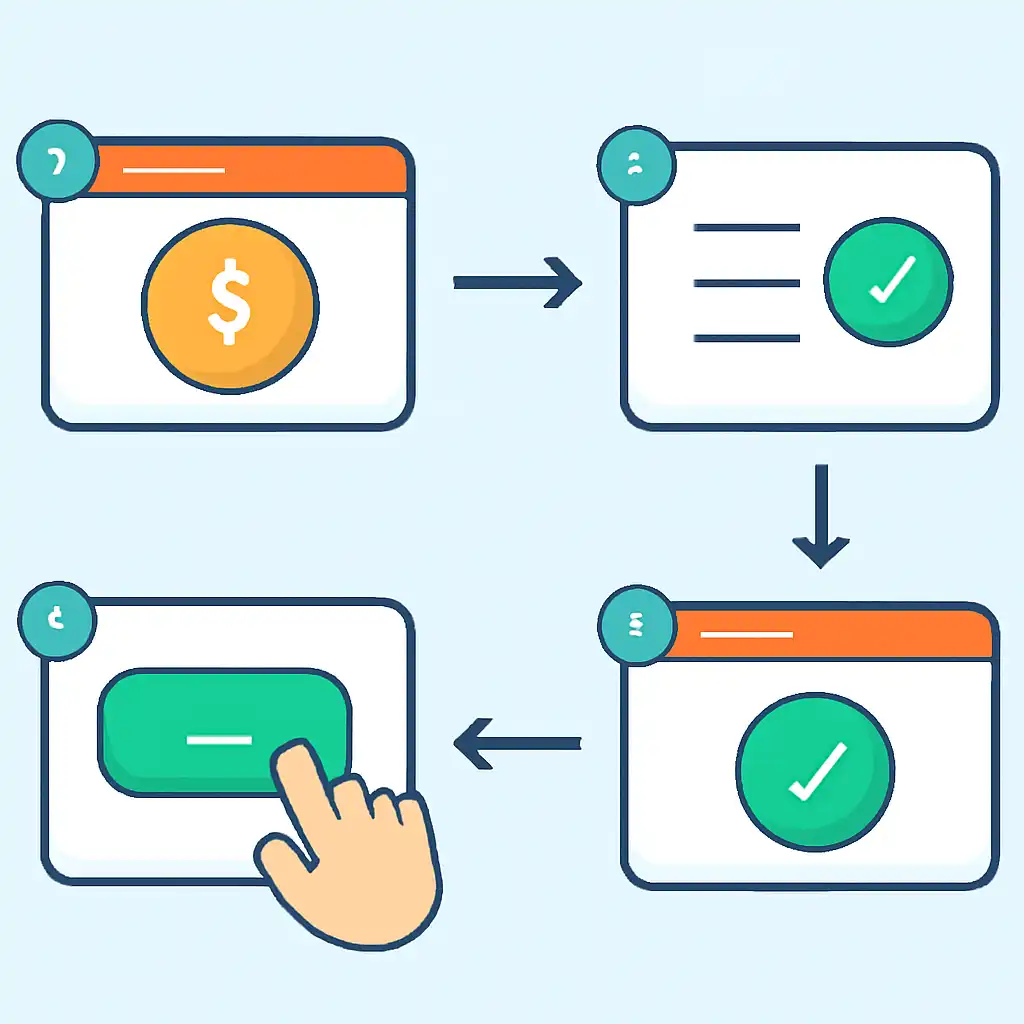
Mobile internet connections, particularly 4G and 5G networks in areas with patchy coverage, can drop unexpectedly. If your connection breaks at the moment you submit a withdrawal request, the transaction may be delayed or require manual follow-up with support. Whenever possible, initiate cash out requests on a stable Wi-Fi connection rather than a cellular network, especially for larger amounts.
Battery and screen timeout
It sounds mundane, but a phone that locks its screen or dies mid-session can interrupt a withdrawal flow before it completes. Before you begin a plinko session where you intend to play until a specific target, ensure your battery is adequately charged and adjust your screen timeout settings so the display stays active long enough to complete the cash out process without interruption.
Browser vs. app experience
Some plinko platforms in India are accessed through a mobile browser rather than a dedicated app. Browser sessions can be interrupted by incoming calls, notifications pushing the browser to the background, or the browser itself refreshing the page. If you are playing through a browser, avoid switching away from the tab during an active withdrawal request. A dedicated app, where available from the operator, generally handles background interruptions more gracefully.
Two-factor authentication delays
Many platforms send an OTP to your registered mobile number as part of the withdrawal verification process. This is a security feature, not an obstacle, but it does mean that receiving and entering the OTP is a required step before funds move. Keep your registered phone number active and available. If you are using a secondary SIM or a number you do not always carry, switching to your primary number before initiating a cash out prevents unnecessary delays.
Notification settings
Enabling withdrawal confirmation notifications from the platform's app or browser ensures you receive immediate confirmation once funds have been dispatched to your account. Without notifications, you may be unaware that a withdrawal is pending operator review, which could cause you to submit a duplicate request.
Cash out timing safety and timing
Responsible play and financial safety are inseparable from any sensible cash out strategy. The following considerations cover both the security of your funds during the withdrawal process and the behavioural habits that protect you from the most common risks associated with extended plinko sessions.
Only play on licensed platforms
Before you ever think about when to cash out, confirm that the platform you are using holds a valid licence from a recognised gambling authority. In India, the regulatory landscape for online gaming is evolving, and state-level rules differ. Players should verify operator licensing status directly on the licensing body's official website, not through the operator's own marketing materials. A licensed platform is legally obligated to process legitimate withdrawal requests; an unlicensed one is not.
Verify the withdrawal destination before you play
Confirm that your bank account, UPI ID, or e-wallet is correctly linked and verified on the platform before you deposit and play. Discovering a verification problem at the moment you want to cash out is both frustrating and potentially risky. Most platforms require identity verification documents, a process commonly called KYC, to be completed before withdrawals are approved. Complete KYC at registration, not on the day you want to withdraw.
Understand the tax implications
In India, winnings from online games of chance are subject to Tax Deducted at Source under the provisions of the Income Tax Act. As of the current financial year, the applicable TDS rate on net winnings above the exemption threshold is 30%. Platforms operating lawfully deduct this amount before releasing funds to your account. For precise, current figures and personal tax advice, consult a qualified tax professional or refer to the official guidance published by the Income Tax Department of India at incometaxindia.gov.in.
Recognise the signs of chasing losses
The most dangerous cash out timing mistake is not cashing out at all, specifically, continuing to drop balls after hitting your loss limit in an attempt to recover what was lost. This behaviour, known as chasing losses, is one of the earliest warning signs of problematic gambling. If you notice that you are moving your loss limit downward, borrowing money to continue, or feeling distressed when you cannot play, these are signals to stop the session entirely and reach out for support. The National Problem Gambling Helpline India provides free, confidential support; a current contact number is available through the Ministry of Social Justice and Empowerment's official communications.
Time-based exit rules
Even if you have not yet reached your win target or loss limit, a time-based rule adds another layer of protection. Decide in advance that you will stop after a fixed period, one hour is a reasonable starting point, regardless of where your balance stands. Fatigue impairs decision-making, and long sessions increase the likelihood of abandoning your planned exit points in favour of emotional reactions to recent results. A clock-based rule is non-negotiable: when the timer ends, you initiate the cash out and you stop dropping balls.