How Plinko Game Works: The Multiplier and the Cash-Out, Plinko Game
How Plinko Game Works: The Multiplier and the Cash-Out for plinko game players in India, how it works, what it costs and how long it takes.
What is How Plinko Game Works: The Multiplier and the Cash-Out?
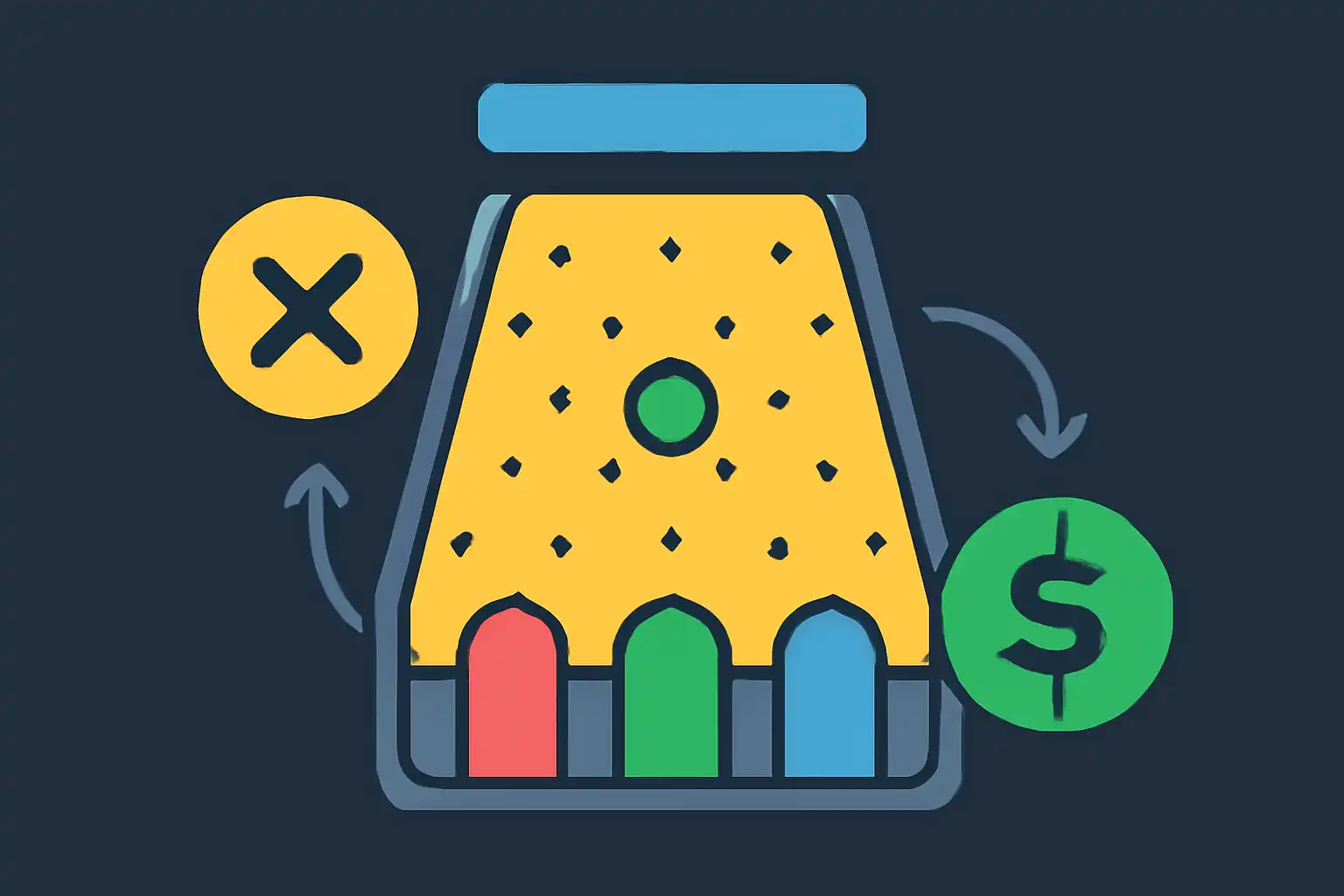
Plinko game is a physics-driven drop game where a ball is released from the top of a pegged pyramid board and bounces unpredictably until it lands in one of several prize buckets at the bottom. Each bucket carries a multiplier value: a coefficient applied directly to your stake to calculate your payout. A ₹100 bet landing in a 25× bucket, for example, returns ₹2,500 instantly. When you are ready to collect that result, you trigger the cash-out, converting the multiplier into real, withdrawable funds.
The multiplier grid is always visible before you drop the ball, so unlike a slot machine where reels spin behind a curtain, plinko shows every possible outcome upfront. On a standard 16-row board, multipliers range from as low as 0.2× in inner buckets (on high-risk mode) to as high as 1,000× on the outermost edges. The cash-out is not automatic, you confirm it by pressing a button, which means you retain full control over whether to accept the result or, on platforms that support multi-ball play, continue dropping.
For Indian players, this mechanic is particularly attractive because it mirrors the transparency expected in skill-aware gaming. Reputable platforms publish RNG certificates and RTP figures, typically 97% to 99%, so you can verify the math before depositing a single rupee. The combination of a visible payout grid, a provably fair RNG, and a manual cash-out step makes plinko one of the most player-controlled crash-style games available on licensed platforms accepting Indian users today.
How How Plinko Game Works: The Multiplier and the Cash-Out Works
Every round follows a fixed sequence. First, the platform's RNG seeds a unique hash for your ball drop, this seed can be verified via a provably fair audit page that most top plinko sites expose. The ball then travels through a grid of pegs, deflecting left or right at each peg with near-equal probability. More rows (8, 12, or 16 are most common) widen the spread of possible landing slots and push edge multipliers higher.
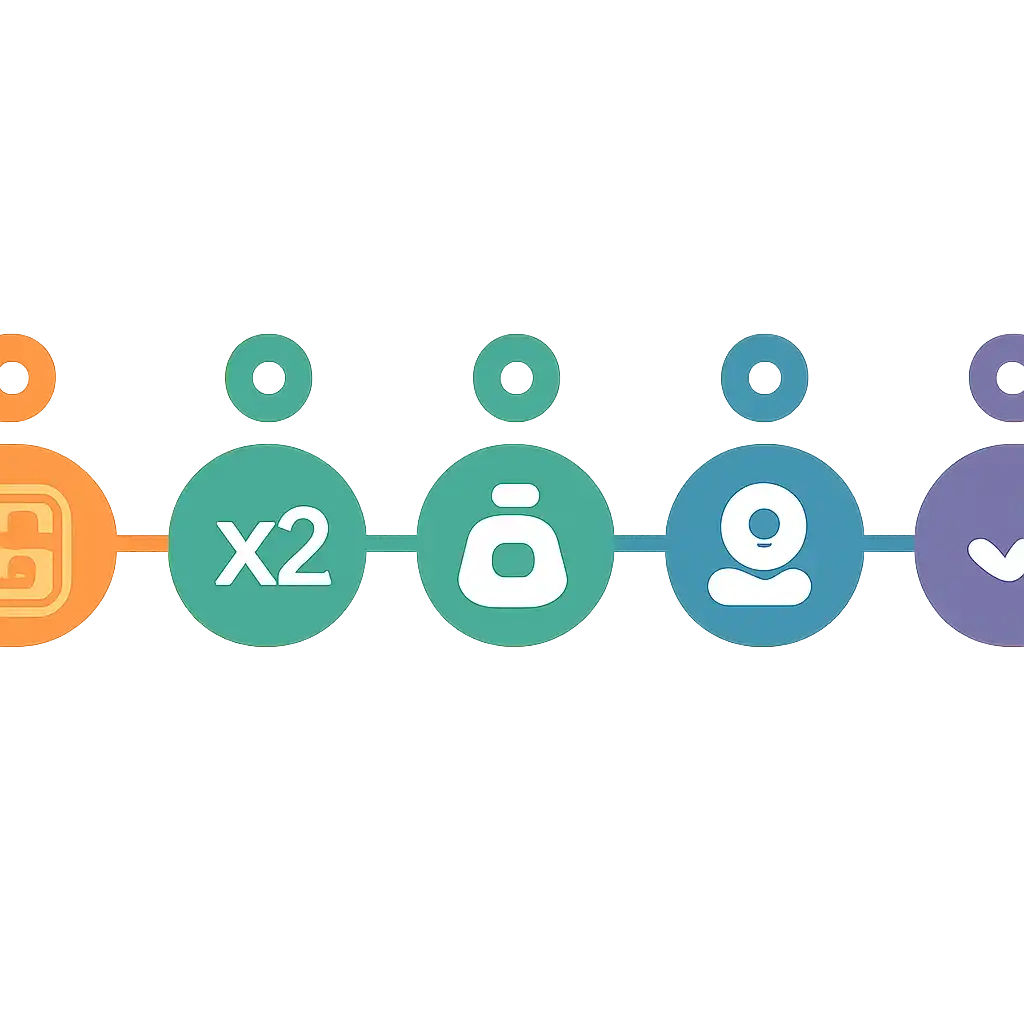
- Choose your risk level. Select Low, Medium, or High. Low risk compresses multipliers toward the centre (most balls return 0.5×, 1.5×). High risk pushes huge multipliers to the edges (up to 1,000×) with a steep probability cost.
- Set your row count. More rows increase variance. Beginners typically start with 8 rows to keep outcomes more predictable.
- Enter your stake. Most Indian-facing platforms accept bets from as low as ₹10 per ball. Use the half/double shortcuts to adjust quickly.
- Drop the ball. The ball animates through the pegs in real time, typically 1 to 3 seconds per drop.
- Read the multiplier. The landing bucket lights up. Your provisional win (stake × multiplier) appears on screen immediately.
- Cash out. Press Collect to credit winnings to your balance. In auto-play mode, this triggers automatically after each drop.
- Verify the round. Copy the round's seed hash and check it against the platform's provably fair tool to confirm the result was not altered.
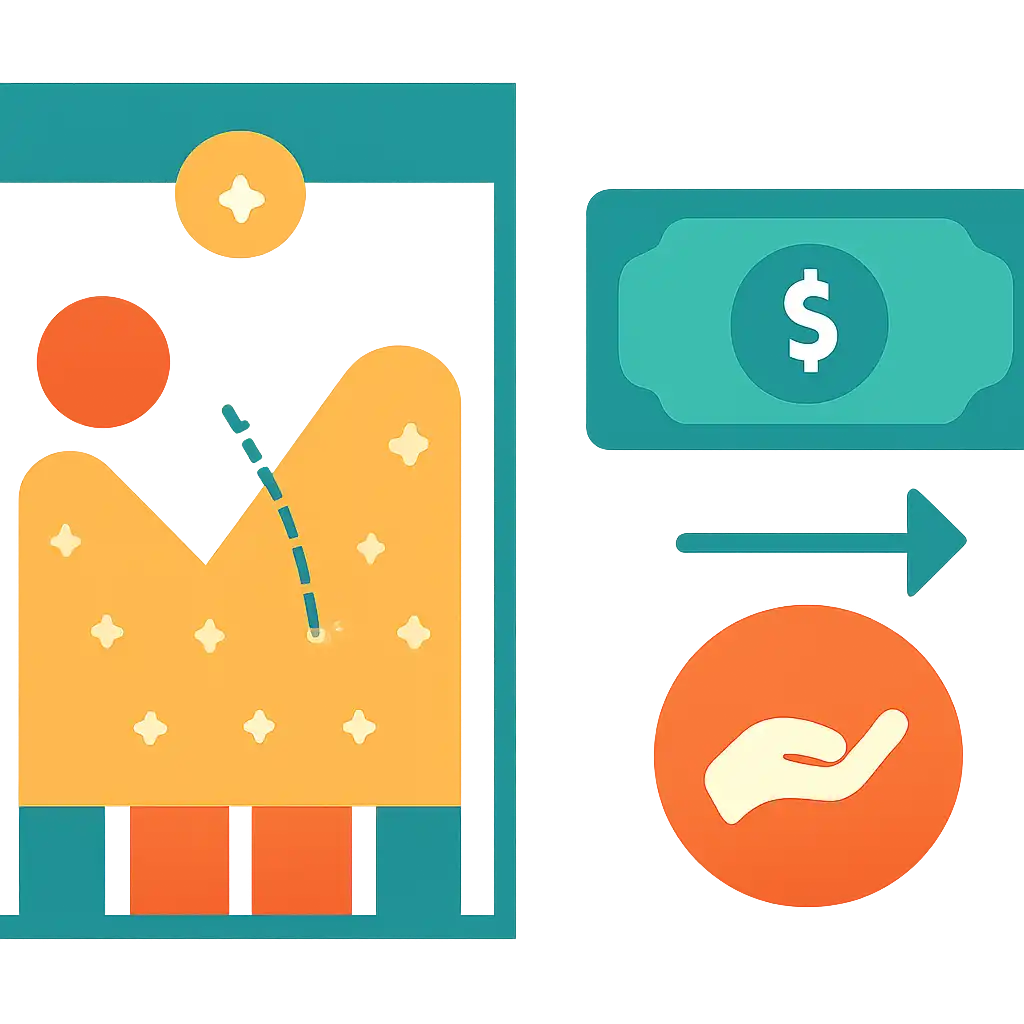
The in-game cash-out is instant. Withdrawing those winnings to your UPI ID, PhonePe wallet, or bank account is a separate step governed by the platform's withdrawal policy, covered fully in the safety section below.
How Plinko Game Works: The Multiplier and the Cash-Out Tips from Experienced Players
Seasoned plinko players in India consistently emphasise bankroll segmentation over chasing single big multipliers. A widely used rule is the 1% stake rule: never risk more than 1% of your session balance on one ball drop. On a ₹5,000 session bankroll that means ₹50 per drop, enough to sustain over 100 drops and encounter a realistic spread of multiplier outcomes rather than busting in a cold streak.

What to Look for When Choosing Risk Level
- Low risk (recommended for beginners): Centre-heavy distribution returns 0.5×, 2× on most drops. Ideal for steady, low-variance play with small, frequent UPI deposits.
- Medium risk: A balanced curve, some drops hit 5×, 20×, most return near 1×. Good for bankrolls of ₹1,000 to ₹10,000.
- High risk: Most balls land at 0.2×, 0.5×, but edge hits can reach 500×, 1,000×. Only suitable for players who can absorb long losing streaks calmly.
Experienced players also recommend using the auto-play limiter rather than manual cash-outs during long sessions. Set a stop-loss (e.g., halt if balance drops below ₹500) and a stop-win (e.g., halt if balance exceeds ₹8,000). This removes emotion from the cash-out decision and prevents the common mistake of continuing to drop after a large win in the hope of hitting another big multiplier straight away.
How Plinko Game Works: The Multiplier and the Cash-Out on Mobile and Desktop
The plinko game experience is fully optimised across both mobile and desktop, but there are meaningful differences worth knowing. On desktop, the wider screen displays the full peg grid, all bucket multipliers, and the bet panel simultaneously without scrolling. This makes it easier to monitor multiple metrics, current balance, session profit/loss, and the multiplier distribution, at a glance. Desktop browsers also handle the ball-drop animation at a higher frame rate, which many players find more engaging for high-frequency auto-play sessions.
On mobile (Android or iOS), the board scales down but remains fully playable. Most platforms orient the game in portrait mode for one-handed use. The cash-out button is enlarged for thumb-tap accuracy, and payment integrations with PhonePe, Google Pay (GPay), and BHIM UPI are handled natively through the mobile browser without redirecting to a separate app. Indian players who prefer depositing via UPI QR code find the mobile experience particularly seamless, as the phone camera can scan the QR directly within the same session.
For players who switch between devices, session state, including auto-play settings and current balance, syncs through the platform account rather than the device. There is no advantage to playing on one platform over the other in terms of RNG outcome; the same provably fair seed governs every drop regardless of device.